March 07, 2026
Industrial silicone tubing is a versatile material used across numerous industries due to its exceptional properties like heat resistance, flexibility, and biocompatibility. This guide provides an in-depth look at its applications, benefits, types, and considerations for selection. Whether you're in medical, automotive, food & beverage, or chemical processing, understanding industrial silicone tube is crucial for optimizing your processes and ensuring product integrity. Choosing the right tubing can significantly impact efficiency and safety.
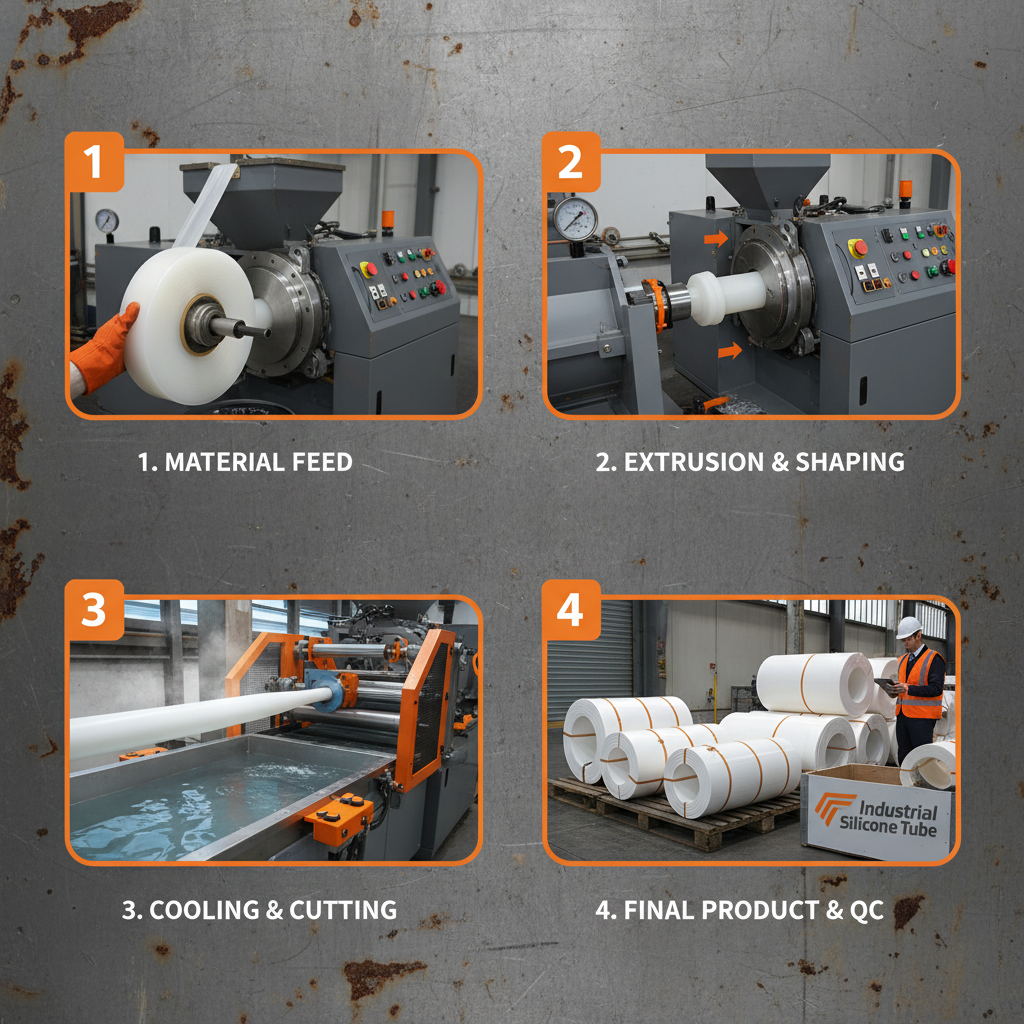
Silicone tubing boasts a unique combination of properties that make it ideal for demanding applications. It exhibits excellent resistance to extreme temperatures, ranging from -60°C to +260°C, maintaining its flexibility and performance across a wide temperature spectrum. Furthermore, it's chemically inert, resisting reaction with most chemicals, making it suitable for use in corrosive environments. Silicone is also biocompatible, meeting FDA and USP Class VI standards for medical-grade applications. Its inherent flexibility allows for easy routing and installation in tight spaces, and its electrical insulation properties make it safe for use in electrical applications. The ability to withstand repeated sterilization processes (autoclaving, gamma irradiation) is a significant advantage in medical and pharmaceutical settings.
Key Highlights: Excellent temperature resistance, chemical inertness, biocompatibility, flexibility, and electrical insulation.
The versatility of silicone tubing translates into a broad spectrum of applications. In the medical industry, it's used for peristaltic pumps, drug delivery systems, and catheter tubing. The automotive sector utilizes it for coolant hoses, vacuum lines, and turbocharger hoses. In the food and beverage industry, it's employed for transferring liquids and ingredients, ensuring purity and hygiene. Chemical processing relies on its chemical resistance for transferring corrosive fluids. Laboratory applications include use in analytical instruments and fluid transfer systems. Furthermore, it finds use in aerospace for fuel lines and hydraulic systems. The growing demand across diverse sectors underlines its importance as an engineering material.
Key Application Areas:
• Medical devices & equipment
• Automotive cooling & fluid systems
• Food & beverage processing
• Chemical transfer & handling
Several types of industrial silicone tubing are available, each tailored to specific needs. Platinum-cured silicone tubing offers superior clarity, lower outgassing, and enhanced biocompatibility, making it ideal for medical and pharmaceutical applications. Peroxide-cured silicone tubing is generally more economical and suitable for less critical applications. Reinforced silicone tubing, often with a braided stainless steel or polyester reinforcement, provides higher burst pressure and resistance to kinking. Heat-shrink silicone tubing shrinks when heated, providing a tight, protective covering for wires and components. Selecting the appropriate type depends on factors like pressure requirements, temperature exposure, chemical compatibility, and application sensitivity.
Selecting the right silicone tubing requires careful consideration of several factors. Pressure requirements are paramount; reinforced tubing may be necessary for high-pressure applications. Temperature extremes dictate the need for tubing with appropriate temperature resistance. Chemical compatibility is crucial to prevent degradation or contamination. The intended sterilization method should be compatible with the tubing material. Diameter and wall thickness influence flow rate and flexibility. Finally, regulatory compliance (e.g., FDA, USP Class VI) is essential for medical and food-grade applications. Contacting a specialist, like GYF Silicone, can provide tailored guidance.
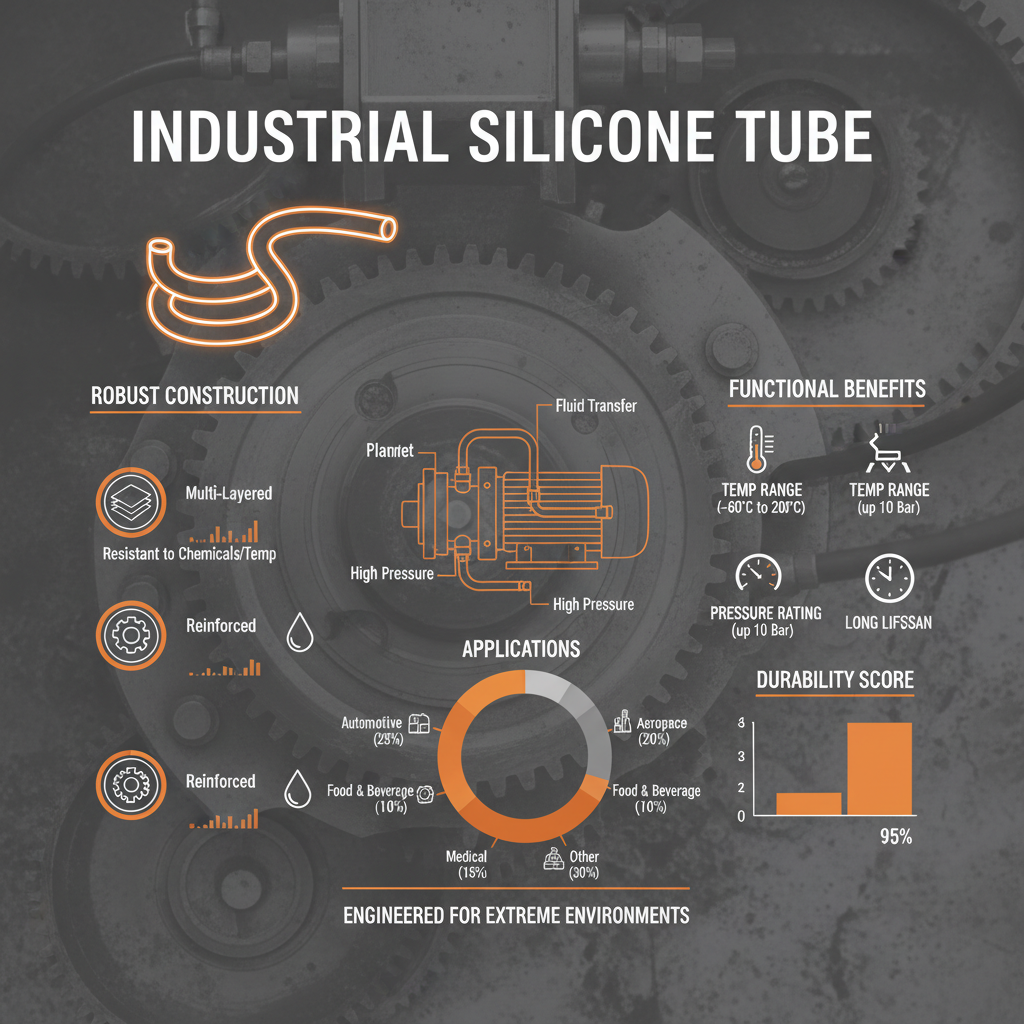
Choosing the right industrial silicone tube is an investment in the reliability and efficiency of your processes. By carefully considering the application requirements and selecting a reputable supplier, you can ensure optimal performance, longevity, and safety. Don't hesitate to explore the diverse range of options available to find the perfect solution for your specific needs.
The service life of industrial silicone tubing depends heavily on the application and environmental conditions. Factors like temperature exposure, chemical contact, and pressure fluctuations all contribute to degradation. Generally, silicone tubing can last for several years with proper use and maintenance. However, it’s crucial to regularly inspect the tubing for signs of cracking, hardening, swelling, or discoloration. For critical applications, a preventative replacement schedule should be established based on risk assessment and operating conditions. Exposure to UV light can also reduce the lifespan of silicone tubing; storing it in a dark, dry environment can help prolong its usability.
While silicone tubing exhibits excellent chemical resistance, it's not universally compatible with all corrosive chemicals. Strong acids, bases, and certain solvents can cause degradation over time. It’s essential to consult a chemical compatibility chart before using silicone tubing with any corrosive substance. Different types of silicone formulations (platinum-cured vs. peroxide-cured) also exhibit varying levels of resistance. For highly aggressive chemicals, consider using tubing specifically designed for those applications, such as PTFE (Teflon) tubing or other chemically resistant materials. GYF Silicone provides detailed compatibility information and can assist in selecting the appropriate tubing for your specific chemical exposure.
Silicone tubing excels in both high and low-temperature environments, maintaining its flexibility and performance across a wide range. However, extreme temperatures can still affect its properties. Prolonged exposure to very high temperatures (above the rated maximum) can lead to hardening and loss of elasticity. Conversely, extreme cold can make the tubing brittle. The specific temperature range will vary depending on the silicone formulation. It's crucial to select tubing that’s rated for the expected temperature range of your application. Repeated temperature cycling can also cause fatigue and reduce the tubing’s lifespan.
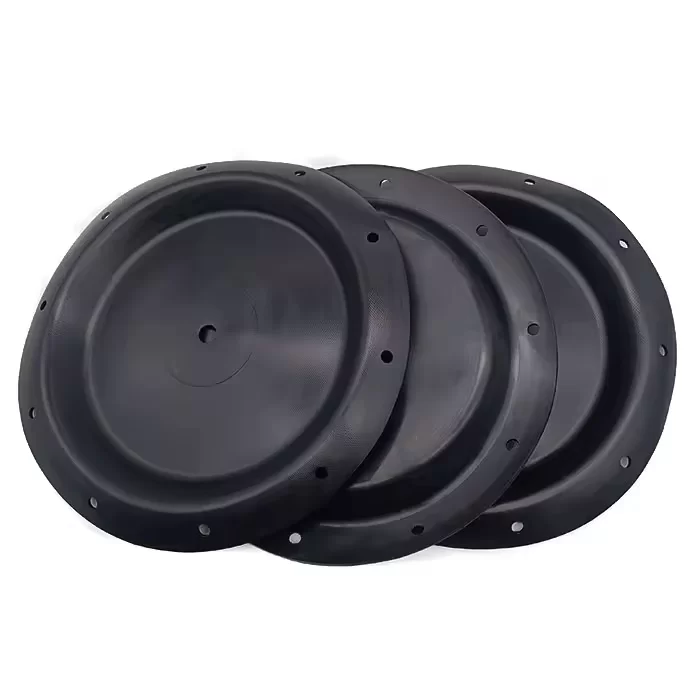
Long Service Life Pneumatic Diaphragm Pump Silicone Rubber Diaphragm
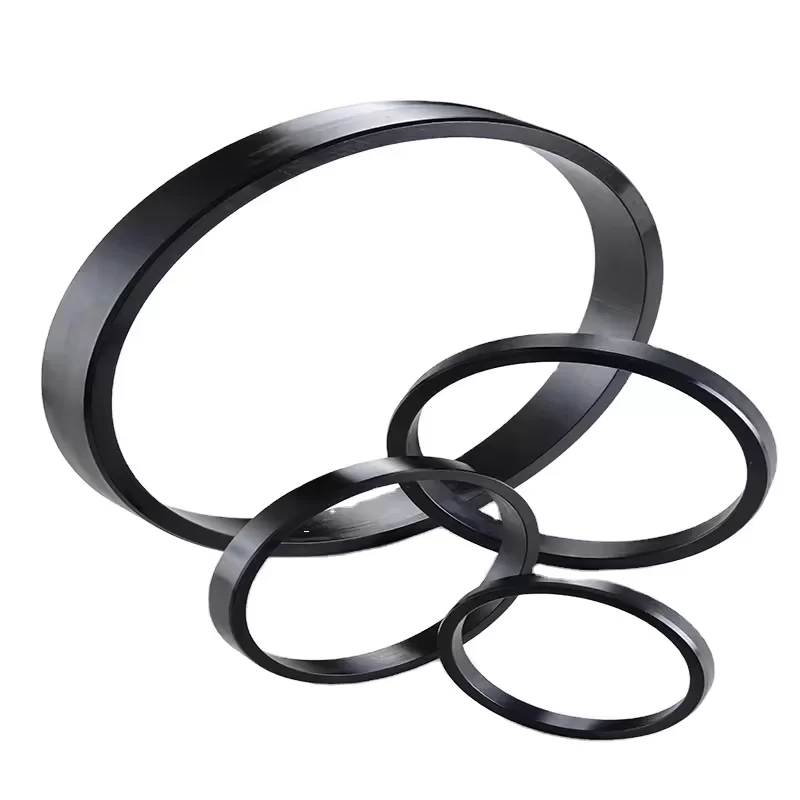
Rubber SealNBR Ring for Hydraulic Cylinders Piston
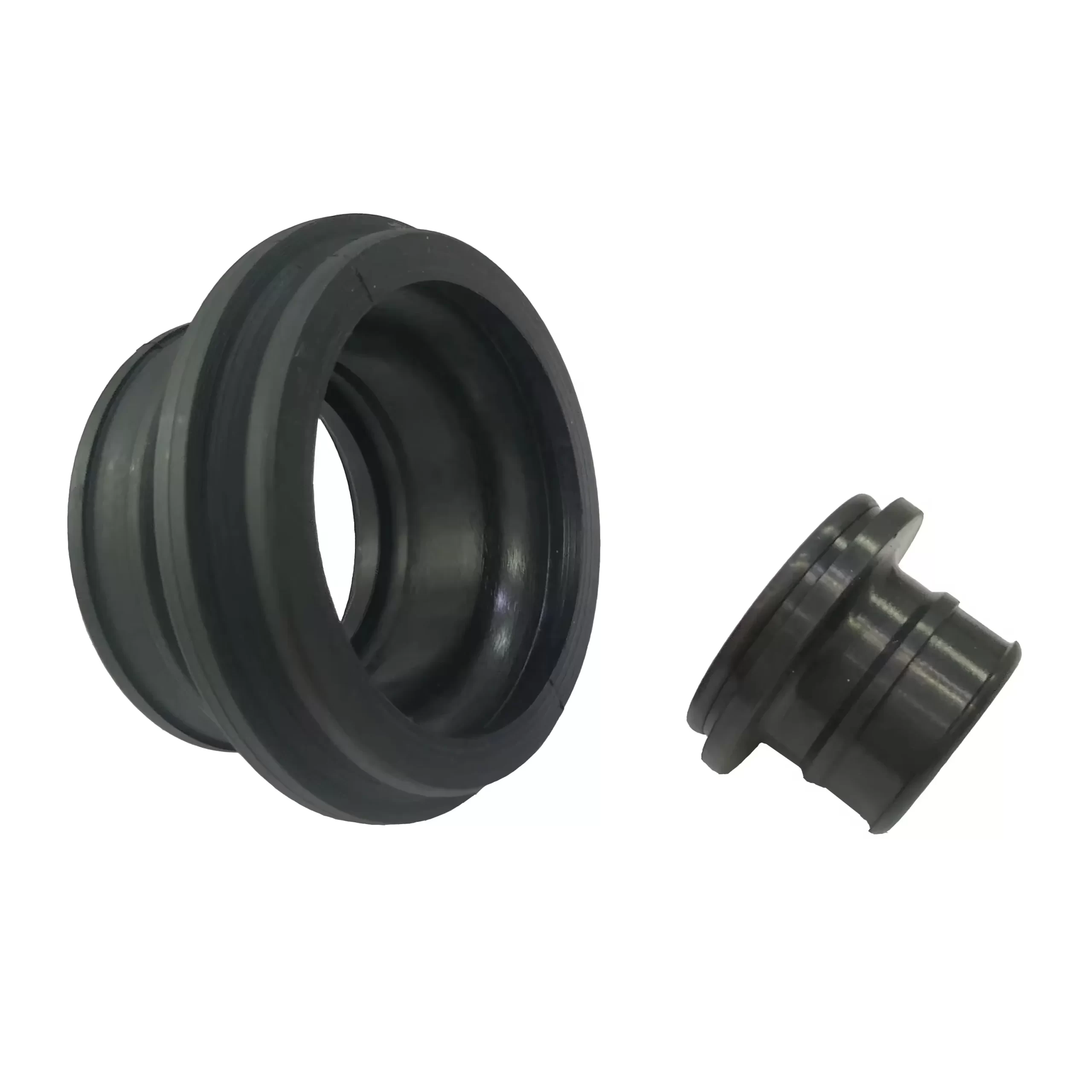
Similar MONO Progressive Cavity Pump Pin Seal

Apr 17, 2026
Advanced Air Sterilization Machine for Indoor Air Quality and Safety