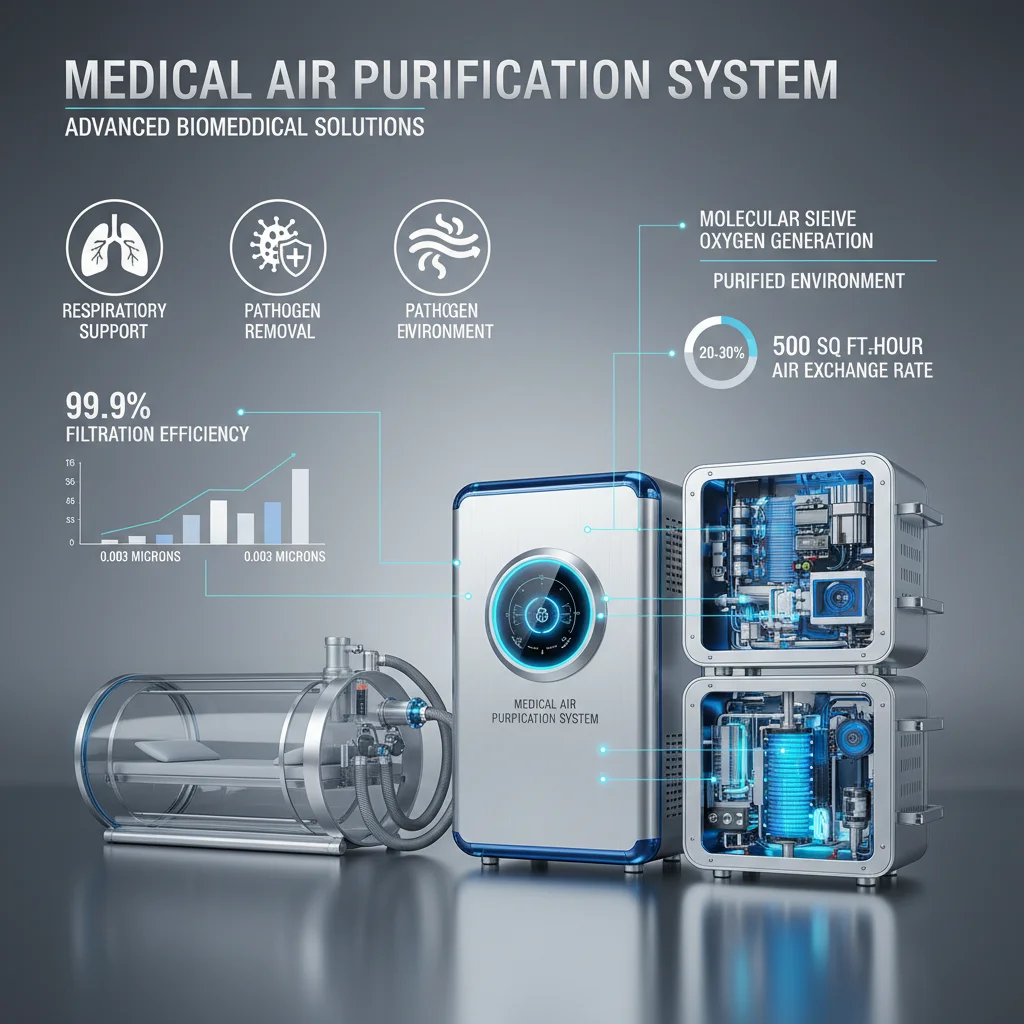
The increasing awareness of indoor air quality and its impact on health has driven a global demand for effective air purification solutions. A home medical air purifier is no longer a luxury but a necessity, especially for individuals with respiratory conditions, allergies, or those living in areas with high pollution levels. Understanding the nuances of these devices—from their filtration technologies to their optimal usage—is crucial for safeguarding well-being and creating healthier living environments.
The market for home medical air purifiers is rapidly expanding, fueled by growing concerns about airborne diseases and pollutants. This growth is particularly pronounced in urban centers and regions affected by industrial emissions or natural disasters. A high-quality home medical air purifier isn't merely about removing dust; it's about mitigating the risks associated with a wide range of harmful substances, including viruses, bacteria, and volatile organic compounds (VOCs).
Investing in a home medical air purifier is an investment in preventative healthcare. By proactively improving indoor air quality, individuals can reduce their susceptibility to respiratory illnesses, improve sleep quality, and enhance overall quality of life. As technology continues to advance, these devices are becoming more efficient, more affordable, and more accessible to a wider population.
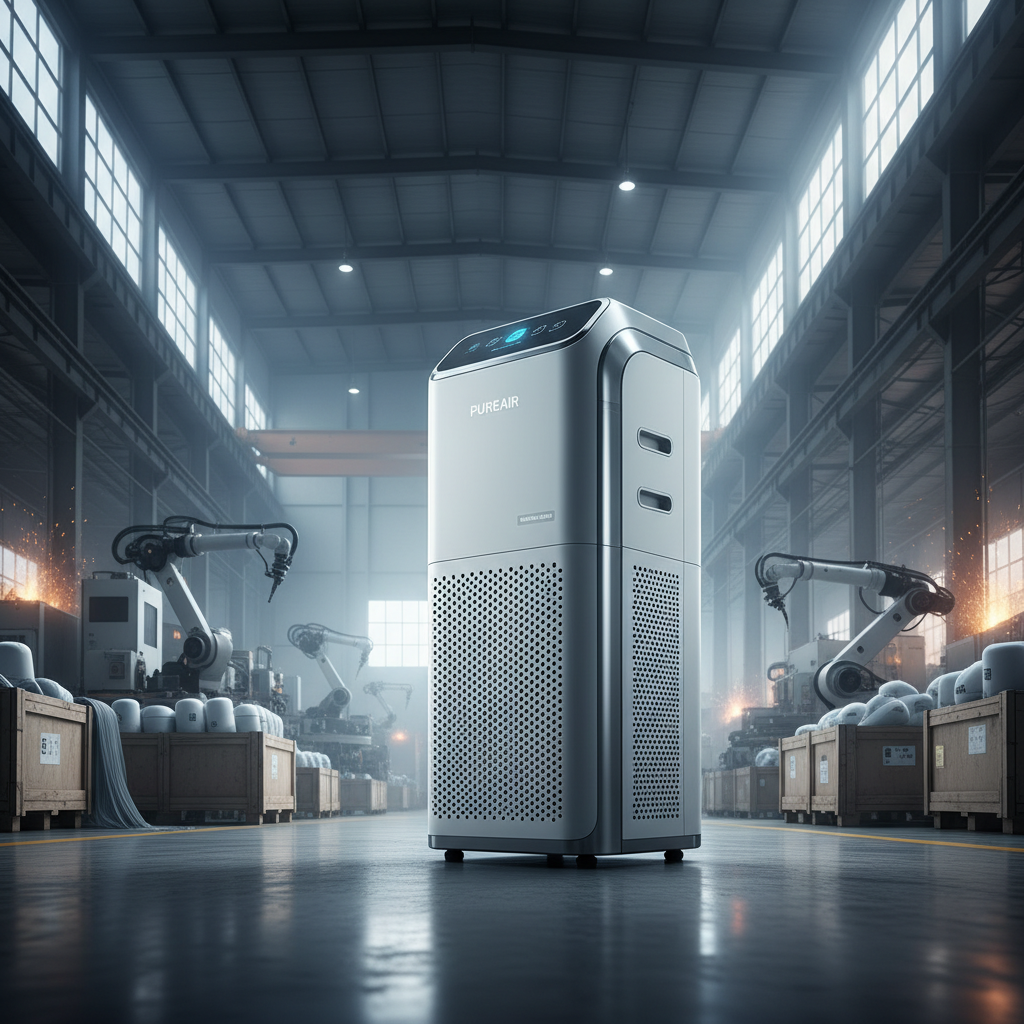
The Global Importance of Home Medical Air Purifiers
According to the World Health Organization (WHO), approximately 99% of the global population breathes air that exceeds WHO air quality guidelines. This alarming statistic highlights the pervasive nature of air pollution and the critical need for interventions to protect public health. A home medical air purifier serves as a vital line of defense, particularly for vulnerable populations, contributing to a reduction in respiratory illnesses and improved quality of life.
The escalating rates of asthma, allergies, and other respiratory ailments worldwide underscore the urgency of addressing indoor air quality. Industrialization, urbanization, and climate change are all contributing factors, creating an environment where airborne pollutants are increasingly prevalent. Investing in home medical air purifier technology represents a proactive step towards mitigating these risks and fostering healthier communities.
Defining Home Medical Air Purifiers
A home medical air purifier is a device designed to remove pollutants, allergens, and other harmful particles from the air within a closed space. Unlike standard air filters that primarily address dust and larger particles, medical-grade air purifiers utilize advanced filtration technologies, such as HEPA filters and activated carbon filters, to capture microscopic pollutants, including viruses, bacteria, mold spores, and VOCs.
These devices are increasingly important in modern healthcare settings and private residences alike. They play a vital role in creating sterile environments in hospitals and clinics, and they offer a practical solution for individuals seeking to improve the air quality in their homes, particularly those with pre-existing health conditions. The connection to modern humanitarian needs is also significant, providing a means to deliver clean air in disaster relief efforts and refugee camps.
The evolution of home medical air purifier technology reflects a growing understanding of the complex relationship between air quality and human health. Early models focused primarily on particle filtration, while contemporary devices incorporate advanced features like UV-C sterilization and smart sensors for optimized performance and air quality monitoring.
Core Components of Effective Air Purification
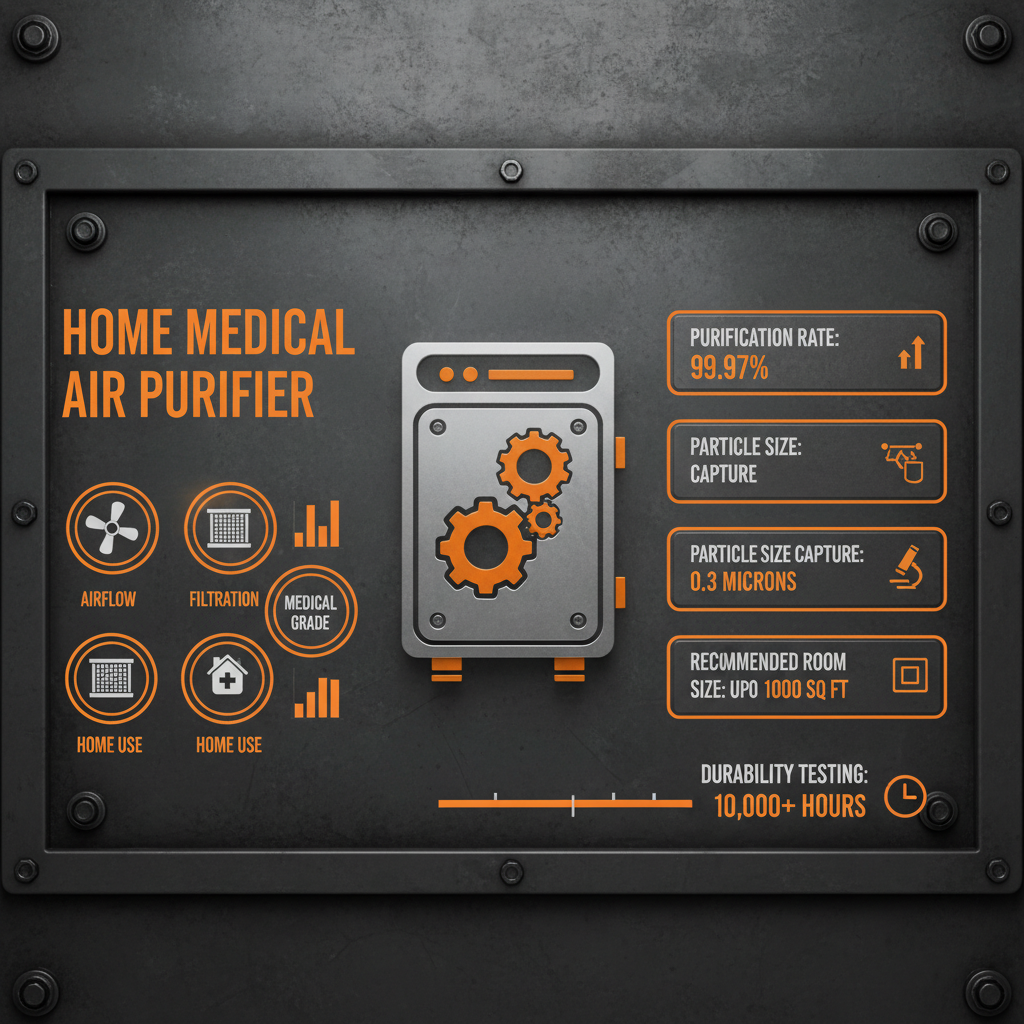
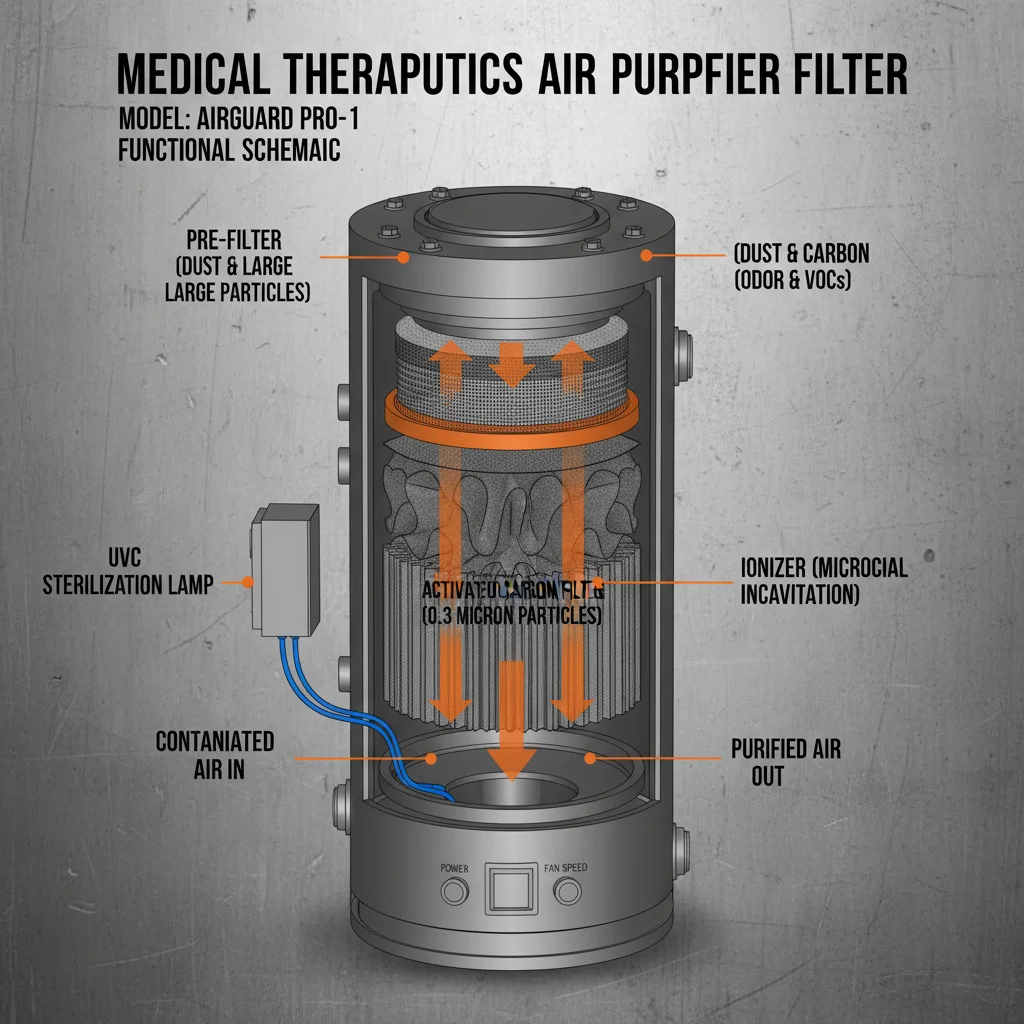
The effectiveness of a home medical air purifier hinges on several key components working in synergy. First, the pre-filter captures larger particles like dust, pet dander, and pollen, extending the lifespan of the more specialized filters. Second, the HEPA (High-Efficiency Particulate Air) filter is crucial for trapping microscopic particles, including bacteria, viruses, and mold spores, with an efficiency rate of at least 99.97% for particles 0.3 microns in size.
Activated carbon filters are equally important, as they absorb odors, gases, and VOCs. These filters are particularly effective at removing harmful chemicals released from household products, paints, and building materials. Finally, some advanced air purifiers incorporate UV-C light technology, which neutralizes airborne pathogens by disrupting their DNA.
The CADR (Clean Air Delivery Rate) is a critical metric to consider, indicating how quickly the air purifier can clean a room of a specific size. A higher CADR rating signifies faster and more efficient air purification. Understanding these components and metrics is essential for selecting the right home medical air purifier for your needs.
Key Factors Influencing Performance
Several factors directly impact the performance of a home medical air purifier. Room size is paramount; an undersized unit will struggle to effectively clean the air, while an oversized unit may be unnecessarily expensive. Air changes per hour (ACH) – the number of times the air in a room is filtered in an hour – is another crucial metric. Ideally, you want an ACH of at least 4 to 6 for optimal air purification.
Filter quality and maintenance also play a significant role. HEPA filters need to be replaced periodically, typically every 6-12 months, depending on usage and air quality. Neglecting filter replacement reduces the purifier's effectiveness and can even lead to the release of trapped pollutants back into the air. Regular cleaning of the pre-filter is equally important.
Home Medical Air Purifier Performance Metrics
Global Applications and Real-World Use Cases
Home medical air purifier devices are increasingly deployed in a variety of settings worldwide. In post-disaster relief operations, they provide critical clean air in shelters and temporary medical facilities, mitigating the risk of respiratory infections and disease outbreaks. In remote industrial zones, where air pollution is often high, these purifiers protect workers' health and improve productivity.
Healthcare facilities, including hospitals, clinics, and dental offices, rely heavily on medical-grade air purifiers to maintain sterile environments and prevent the spread of airborne pathogens. Schools and childcare centers are also recognizing the importance of clean air, implementing air purification systems to create healthier learning environments for students and staff.
Furthermore, individuals with allergies, asthma, or other respiratory conditions are increasingly utilizing home medical air purifier devices in their homes to manage their symptoms and improve their quality of life. The demand is especially high in urban areas with poor air quality and in regions affected by seasonal wildfires.
The Advantages and Long-Term Value Proposition
The benefits of investing in a home medical air purifier extend far beyond immediate health improvements. From a cost perspective, reducing the frequency and severity of respiratory illnesses can lead to significant savings on healthcare expenses. Furthermore, improved air quality can enhance sleep quality, boost cognitive function, and increase overall productivity.
From a sustainability standpoint, reducing reliance on pharmaceutical interventions for respiratory ailments minimizes environmental impact. The long-term value proposition also includes peace of mind, knowing that you are proactively protecting your health and the health of your family. The emotional benefit of a safer, healthier home environment is immeasurable.
Future Trends and Innovations in Air Purification
The field of air purification is undergoing rapid innovation. Smart air purifiers, equipped with sensors and Wi-Fi connectivity, are becoming increasingly popular, allowing users to monitor air quality remotely and adjust settings accordingly. Integration with smart home systems enables automated air purification based on real-time conditions.
Research into new filtration materials, such as nanomaterials and bio-based filters, promises even greater efficiency and sustainability. The development of portable and energy-efficient air purifiers is also a key focus, expanding access to clean air for individuals in diverse settings.
The convergence of air purification with other technologies, such as HVAC systems and building automation, is creating opportunities for holistic indoor air quality management. Furthermore, growing awareness of the impact of indoor air pollution is driving policy changes and stricter regulations, creating a favorable environment for innovation in the home medical air purifier industry.
Analyzing Key Performance Indicators of Home Medical Air Purifiers
This table summarizes core aspects when evaluating different models of home medical air purifier and their overall effectiveness.
The dimensions below will help categorize and compare various aspects to arrive at the most suitable choice for your environment.
Understanding these metrics can help you confidently select a device that meets your specific needs and contributes to a healthier indoor environment.
Home Medical Air Purifier Performance Assessment
| Filtration Efficiency |
CADR Rating (m³/h) |
Noise Level (dB) |
Operating Cost (per year) |
| 99.97% HEPA |
300 |
45 |
$50 |
| 99.5% HEPA |
250 |
50 |
$40 |
| 99.99% HEPA |
350 |
40 |
$60 |
| 98% HEPA |
200 |
55 |
$30 |
| 99.7% HEPA |
320 |
42 |
$55 |
| 99.8% HEPA |
280 |
48 |
$45 |
FAQS
While both HEPA and “True HEPA” filters aim to capture 99.97% of particles 0.3 microns in size, the term “True HEPA” is often used by manufacturers to indicate that their filter has been independently tested and certified to meet that standard. Standard HEPA filters may not undergo the same rigorous testing. When selecting a home medical air purifier, look for models that use certified True HEPA filters for optimal performance.
Filter replacement frequency depends on usage and air quality. Pre-filters should be cleaned or replaced every 1-3 months. HEPA filters typically last 6-12 months, while activated carbon filters may need replacing every 3-6 months. Most home medical air purifier models have indicator lights to alert you when filter replacement is necessary. Ignoring these alerts reduces the purifier's effectiveness.
UV-C light can help neutralize airborne pathogens, but it's not a substitute for HEPA filtration. HEPA filters physically capture particles, while UV-C light disrupts their DNA. The most effective air purifiers combine both technologies for comprehensive air cleaning. However, the effectiveness of UV-C depends on proper exposure time and intensity.
Air purifier size is determined by the room's square footage. Check the purifier's CADR rating and ensure it’s appropriate for the room size. A general guideline is to choose a purifier with a CADR that's two-thirds of the room's square footage. For example, a 300 square foot room requires a CADR of at least 200. Using a home medical air purifier that's too small will be ineffective.
Some older air purifiers generate ozone as a byproduct of their operation. Ozone is a lung irritant and can be harmful, even at low concentrations. Modern, reputable home medical air purifier manufacturers typically avoid ozone-generating technologies. Look for models that are certified ozone-free by organizations like the California Air Resources Board (CARB).
To maximize effectiveness, place the air purifier in a central location in the room, away from obstructions. Keep windows and doors closed while the purifier is running. Regularly clean or replace filters as recommended. Consider running the purifier continuously, especially during peak pollution periods or allergy season. Finally, ensure the room is properly ventilated occasionally to introduce fresh air.
Conclusion
In conclusion, home medical air purifier technology offers a powerful and accessible solution for improving indoor air quality and safeguarding public health. From advanced filtration systems to smart features and innovative materials, the industry is continuously evolving to meet the growing demand for cleaner, healthier living environments. The benefits extend beyond simply reducing airborne pollutants, encompassing improved respiratory health, enhanced cognitive function, and increased overall well-being.
Looking ahead, we can expect to see even more sophisticated and integrated air purification solutions, driven by advancements in sensor technology, data analytics, and sustainable materials. Investing in a home medical air purifier is not just a proactive health measure; it's an investment in a healthier future for ourselves and generations to come. Visit our website at www.gyfsilicone.com to learn more about our range of high-quality air purification products.